More Than a Game: How Sports Shape Bodies, Communities, and Culture

The Many Roles Sports Play
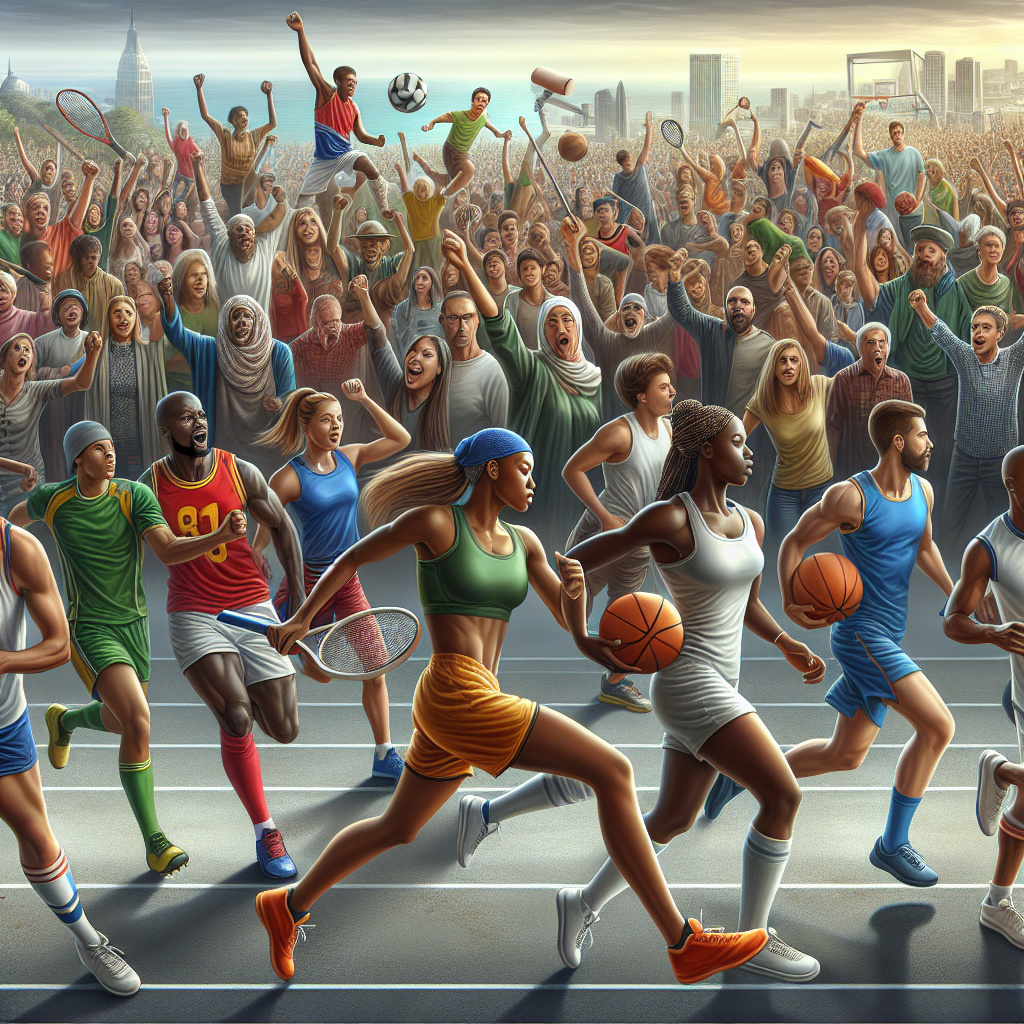
Sports are often described as entertainment, but their influence reaches far beyond the scoreboard. At their core, sports are structured physical activities governed by rules, designed to test skill, fitness, and decision-making under pressure. Whether played casually in a park or professionally in a stadium, sports become a shared language—one that connects people across generations, cultures, and backgrounds.
Part of what makes sports enduring is their flexibility. They can be intensely competitive or purely recreational, individual or team-based, local or international. This range allows sports to meet people where they are: a child learning coordination, an adult seeking stress relief, or an elite athlete chasing marginal performance gains.
Physical Benefits: More Than Fitness
Most people associate sports with physical health, and for good reason. Regular participation strengthens the cardiovascular system, improves muscular endurance, and supports healthy body composition. But the real value often lies in the way sports encourage consistent movement through enjoyment and social commitment—two powerful drivers of habit formation.
- Coordination and motor skills: Sports refine balance, timing, agility, and spatial awareness.
- Injury resilience: Well-coached training can build joint stability and muscular strength that reduce everyday injury risk.
- Lifelong mobility: Activities like swimming, cycling, tennis, and running can support mobility across decades when paired with smart recovery.
It’s also important to acknowledge that sports come with risks. Overuse injuries, concussions, and burnout are real issues, particularly in environments that prioritize winning over well-being. The healthiest sports cultures are those that teach technique, rest, and progressive training—treating recovery as a skill, not an afterthought.
Mental Performance and Emotional Well-Being
Sports train the mind as much as the body. Players learn to regulate emotions, adapt to uncertainty, and stay focused when outcomes hinge on a single decision. This mental conditioning can translate into other areas of life, from school and work to relationships and personal goals.
Confidence Through Practice
Unlike many pursuits where results can feel ambiguous, sports provide clear feedback. You can measure improvement—faster times, cleaner technique, better teamwork—making progress visible. This visibility builds confidence rooted in effort, not just talent.
Stress Relief and Mood
Physical activity is linked to improved mood, and sports add an extra layer: social connection and purposeful challenge. A shared training session, a weekend league, or even a solo sport with a supportive community can help reduce isolation and restore a sense of routine.
Learning to Lose (and Win)
Competition creates emotional highs and lows. Handled well, those experiences teach resilience: how to review mistakes, accept outcomes, and return with a plan. Winning can also be instructive—highlighting the importance of humility, preparation, and respect for opponents.
Community, Identity, and Belonging
Sports build communities by offering common goals and rituals: training schedules, match days, fan traditions, and local pride. For many, a team is one of the first places they experience belonging outside the family. This sense of identity can be especially powerful in youth sports, where friendships form through shared effort and collective responsibility.
At a broader scale, sports can unify cities and nations, creating moments of shared attention that cut across everyday divisions. They also create spaces for cultural expression—chants, colors, stories, and symbols that communicate who a community believes it is.
- Grassroots impact: Local clubs keep neighborhoods active and connected.
- Volunteer networks: Coaches, referees, and organizers often sustain sports ecosystems.
- Role models: Athletes can influence values, from perseverance to fair play—especially when institutions support ethical behavior.
The Business and Technology of Modern Sports
Today’s sports landscape includes major industries: broadcasting, sponsorships, apparel, ticketing, sports medicine, and data analytics. This commercialization can expand access and raise performance standards, but it can also create pressures—early specialization, relentless schedules, and unequal funding between sports and regions.
Data-Driven Training
Wearables, GPS tracking, and video analysis have changed how athletes train. Metrics like heart rate variability, sprint load, and movement efficiency help coaches tailor programs and manage fatigue. Used responsibly, these tools reduce guesswork and support long-term development.
Changing How Fans Engage
Streaming platforms, social media, and interactive statistics have made fandom more personalized and immediate. Supporters can follow niche leagues, analyze tactics, and connect with athletes directly—transforming spectatorship into an active, year-round experience.
Inclusion, Access, and the Future of Sports
Sports are not equally accessible to everyone. Cost, facilities, transportation, disability accommodations, and social barriers can determine who gets to participate. The future of sports depends on widening the entry points—so that opportunity isn’t limited to those with resources or proximity to elite programs.
Encouraging signs include growing investment in women’s leagues, expanded adaptive sports, and community initiatives that provide equipment and safe spaces. Equally important is coaching education that prioritizes athlete welfare, consent, and psychological safety.
- Inclusive design: Facilities and programs that welcome varied bodies and abilities.
- Balanced development: Multi-sport participation for youth to reduce burnout and broaden skills.
- Ethical leadership: Clear standards for health, fairness, and accountability.
Why Sports Endure
Sports persist because they mirror life in a concentrated form: preparation, uncertainty, teamwork, setbacks, and moments of breakthrough. They offer a structured way to test limits and celebrate progress, whether that progress is a championship or simply the confidence to try again after a difficult match.
When sports cultures prioritize enjoyment, safety, and respect, the benefits ripple outward—healthier individuals, stronger communities, and shared stories that outlast any final score.

