Beyond the Scoreboard: How Sports Shape Bodies, Minds, and Communities

What Makes Sports Matter
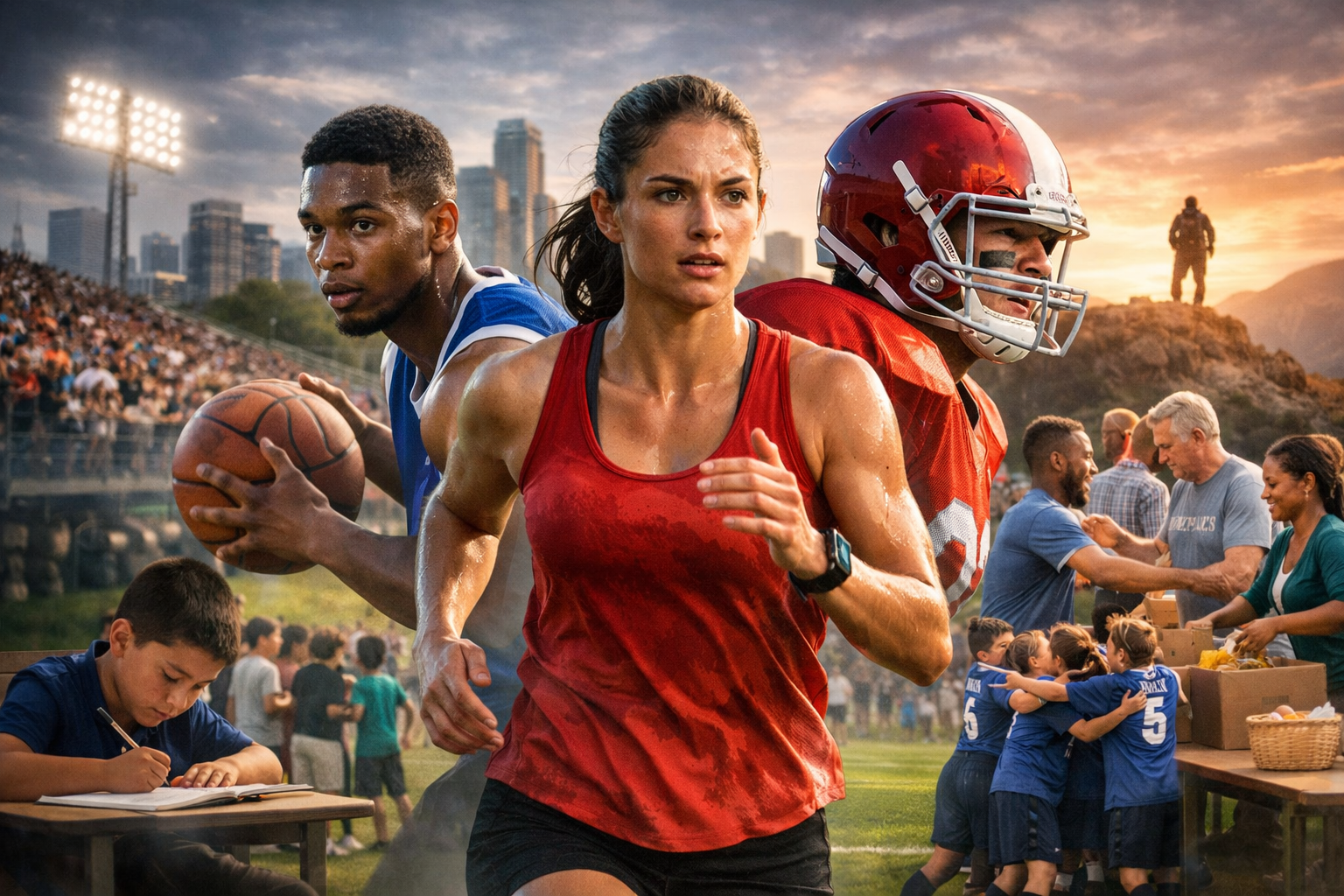
Sports sit at the intersection of movement, rules, and meaning. At a basic level, they are organized physical activities with goals—score points, cross a finish line, outmaneuver an opponent. Yet their impact extends far beyond the final score. Sports create shared rituals, teach people how to handle pressure, and offer a universal language that can cross borders, ages, and backgrounds.
Whether it’s a child learning teamwork in a school gym, an adult joining a recreational league for fitness, or an elite athlete competing on a global stage, sports provide structured opportunities to practice discipline, decision-making, and cooperation. They also offer an outlet for play—something many adults lose as life becomes more scheduled and sedentary.
The Physical Benefits: More Than Fitness
Regular participation in sports supports cardiovascular health, muscular strength, coordination, and flexibility. Unlike some forms of exercise that can feel repetitive, sports often disguise hard work inside engaging goals: chasing a ball, defending a position, or improving a time. That built-in motivation can help people stay consistent.
Key physical advantages
- Heart and lung health: Many sports involve intervals of high effort that improve endurance and circulation.
- Strength and power: Sprinting, jumping, throwing, and rapid changes of direction build functional strength.
- Motor skills: Sports refine balance, hand-eye coordination, footwork, and spatial awareness.
- Long-term habits: People who associate movement with enjoyment are more likely to stay active across life stages.
Different sports emphasize different capacities. Swimming offers low-impact endurance; basketball and soccer stress agility and repeated sprints; strength-based sports like wrestling demand body control and grip endurance. That variety allows individuals to choose what suits their bodies, interests, and access to facilities.
Mental and Emotional Skills Under Pressure
Sports are real-time problem-solving. Players interpret information quickly—opponent positioning, timing, fatigue, and risk—then act with limited time to reflect. That environment builds mental skills that transfer to school, work, and daily life.
Psychological benefits athletes often report
- Resilience: Losses and mistakes are inevitable; sports normalize learning through setbacks.
- Focus: Training develops attention control—staying present despite distractions.
- Confidence: Progress is measurable: improved technique, faster times, stronger execution under stress.
- Emotional regulation: Athletes learn to manage frustration, adrenaline, and anxiety in public settings.
At their best, sports offer a healthy arena for ambition. Goals are clear, feedback is immediate, and effort is visible. That structure can be particularly valuable for young people who benefit from mentorship, boundaries, and a sense of belonging.
Community, Identity, and Culture
Sports create communities because they provide a shared narrative: seasons, rivalries, comebacks, and traditions. Fans and participants build identity around teams, schools, neighborhoods, or nations. This is why local clubs can be deeply meaningful and why international competitions can feel symbolic—sports become a stage where people express pride and collective hope.
Community impact shows up in everyday ways: volunteering at events, coaching youth teams, maintaining local fields, or gathering to watch games. Sports can also act as a social bridge, offering newcomers a way to connect through a common interest even when language or cultural differences exist.
Types of Sports and What They Teach
Not all sports reward the same traits, which is part of their value. Trying different categories helps people discover where they thrive and what skills they enjoy building.
- Team sports (e.g., volleyball, hockey): Communication, role acceptance, and shared responsibility.
- Individual sports (e.g., tennis, track): Self-management, accountability, and mental toughness.
- Combat sports (e.g., judo, boxing): discipline, respect for rules, and controlled intensity.
- Endurance sports (e.g., cycling, rowing): pacing, patience, and consistency.
- Skill sports (e.g., golf, archery): precision, routine building, and composure.
Many athletes combine sports across seasons or mix recreational and competitive play. That variety can reduce burnout and overuse injuries while keeping motivation high.
The Business and Media Side of Sports
Modern sports are also industries. Broadcasting rights, sponsorships, merchandise, and ticket sales shape what audiences see and how competitions are organized. Media coverage can elevate heroes, influence youth participation trends, and sometimes distort expectations by highlighting only the most dramatic outcomes.
At the same time, sports generate careers beyond playing: coaching, athletic training, physiotherapy, event management, analytics, journalism, facility operations, and sports technology. As data tracking becomes more common, performance analysis now affects everything from tactics to injury prevention.
Fairness, Safety, and Inclusion: Ongoing Challenges
Sports can bring out the best in people, but they also reflect social tensions. Issues such as unequal access to facilities, cost barriers, discrimination, and governance disputes can shape who gets to participate and thrive.
Important areas of attention
- Injury prevention: Proper training loads, warm-ups, and recovery reduce risk, especially for young athletes.
- Safe environments: Strong safeguarding policies protect participants from abuse and harassment.
- Fair play: Transparent rules and anti-doping systems support trust in outcomes.
- Inclusive access: Adaptive sports, community funding, and welcoming cultures broaden participation.
Progress often depends on good coaching, evidence-based training, and institutions that prioritize athlete well-being alongside performance.
How to Start (and Keep Going)
Getting involved in sports doesn’t require elite goals. The most sustainable approach is to choose an activity you can access consistently and enjoy enough to repeat.
- Start small: Join a beginner-friendly class, pick-up game, or short season league.
- Focus on fundamentals: Basic technique and mobility build confidence quickly.
- Find your community: A supportive team or training partner improves motivation.
- Respect recovery: Sleep, hydration, and rest days are part of performance.
Ultimately, sports endure because they combine challenge with play. They ask for effort, reward improvement, and bring people together in ways few other activities can. In a world that often pulls attention apart, sports offer a rare space where bodies move, minds focus, and communities gather around something shared.

