Recreation Reimagined: How Play, Rest, and Ritual Renew Everyday Life

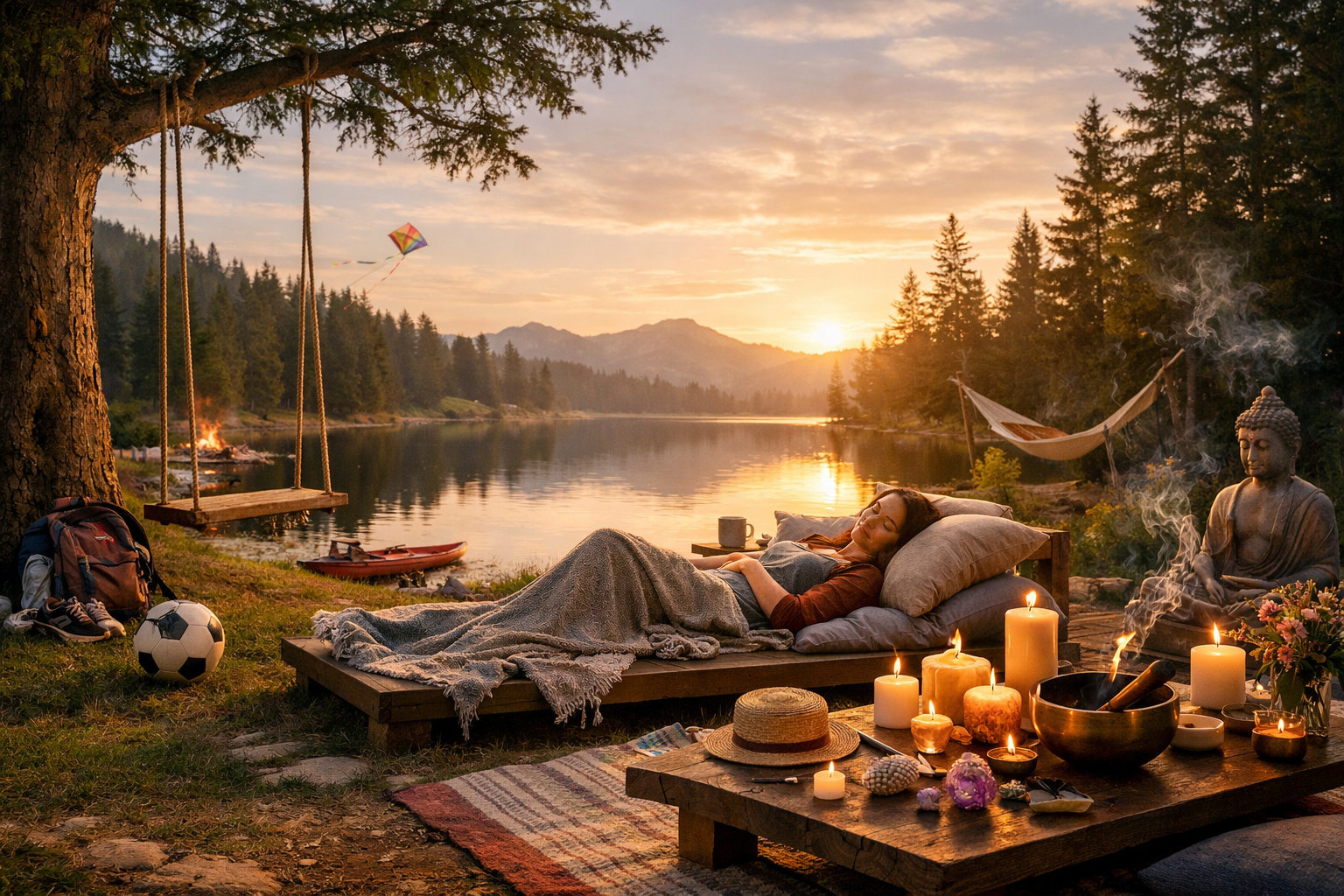
What Recreation Really Means
Recreation is any activity done primarily for refreshment, enjoyment, or restoration. While it often overlaps with leisure, recreation carries an added sense of renewal: it helps the mind and body recover from stress, monotony, or intense effort. It can be active (like sports), quiet (like reading), social (like board games), solitary (like hiking), structured (like a class), or spontaneous (like an impromptu walk).
In modern life, recreation is sometimes treated as a luxury squeezed into leftover hours. Yet it functions more like maintenance—similar to sleep, nutrition, and movement. Consistent recreation improves well-being not by “doing nothing,” but by doing something that resets attention, mood, and energy.
Why Recreation Matters
Physical Health and Vitality
Many recreational activities involve movement: cycling, swimming, dancing, gardening, or casual neighborhood sports. These offer cardiovascular benefits, improved mobility, and better balance without the pressure of formal workouts. Even low-intensity recreation—like strolling through a park—can reduce sedentary time and support long-term health.
Mental Restoration and Stress Relief
Recreation provides a change in mental channel. When you switch from task-focused work to a playful or immersive activity, your brain gets a break from constant problem-solving and decision-making. This can lower stress, reduce rumination, and create a calmer emotional baseline. Activities that encourage “flow”—a state of deep absorption—are especially restorative because they quiet mental noise.
Social Connection and Belonging
Shared recreation strengthens relationships through low-stakes interaction. A weekly pickup game, a cooking night with friends, or a family movie ritual creates continuity and shared memories. Community recreation spaces—parks, libraries, recreation centers, trails—also help people feel connected to their neighborhood and to one another.
Creativity and Identity
Recreation is often where identity expands. Learning guitar, building model kits, painting, photography, or tinkering with DIY projects creates a sense of progress unrelated to job performance. Over time, recreational pursuits can become meaningful personal “threads” that provide purpose and self-expression.
Types of Recreation: Finding What Fits
Because recreation is personal, the best approach is to explore categories rather than chase trends. Consider mixing different types depending on your energy, schedule, and season.
- Active outdoor recreation: hiking, kayaking, trail running, birdwatching, beach walking, cycling
- Active indoor recreation: climbing gyms, swimming pools, dance classes, yoga, martial arts, skating
- Creative recreation: writing, crafts, music, cooking experiments, pottery, digital art
- Social recreation: clubs, game nights, community volunteering, group fitness, hobby meetups
- Restorative recreation: reading, baths, meditation, nature time, gentle stretching, journaling
- Micro-recreation: short activities that fit into tight days—10-minute walks, puzzles, quick doodles, balcony gardening
A useful rule of thumb is to choose one “sweat” option, one “social” option, and one “stillness” option each week. This variety prevents burnout and meets multiple needs.
How to Build a Sustainable Recreation Routine
Start With the Goal: Restore, Connect, or Grow
Before picking an activity, identify what you want today. Do you need to decompress, see people, or feel accomplished? A long run can be restorative for one person and draining for another. Recreation works best when it matches your current need rather than an idealized plan.
Lower the Activation Energy
The biggest barrier to recreation is often the “start.” Make your preferred activities easy to begin:
- Keep a ready-to-go bag (swimsuit, headphones, walking shoes).
- Choose locations within a short travel radius when time is limited.
- Pre-decide: set a recurring day for a class, walk, or game night.
When recreation requires too much setup, it becomes another chore.
Protect It Like an Appointment
Recreation is most effective when it’s consistent. Treat it as a non-negotiable block—especially the small, repeatable sessions. Two 20-minute recreation breaks per week can provide more ongoing benefit than an occasional “perfect” weekend that happens once a month.
Balance Novelty and Familiarity
Familiar recreation soothes; novel recreation energizes. Familiar activities (a regular route, a known playlist, a favorite craft) reduce decision fatigue. Novel activities (a new trail, learning a new recipe, trying a new sport) build confidence and keep life interesting. A healthy recreation life includes both.
Recreation Across Life Stages
Kids and Teens
For young people, recreation supports motor skills, social learning, emotional regulation, and healthy risk-taking. Unstructured play is particularly valuable because it strengthens imagination and autonomy.
Adults in Busy Seasons
When schedules are tight, recreation often becomes “all or nothing.” Instead, aim for micro-recreation—short practices that restore you quickly. A lunchtime walk, a 15-minute stretch-and-music session, or a short call with a friend can keep you from running on empty.
Older Adults
Recreation can maintain mobility, cognitive engagement, and social ties. Gentle movement (water aerobics, walking groups), skill-based hobbies (music, crafts), and community participation can reduce isolation while supporting independence.
Common Pitfalls (and How to Avoid Them)
- Turning recreation into performance: If every hobby becomes a metric, it stops restoring you. Keep at least one activity “just for fun.”
- Overcommitting: Too many leagues, classes, or events can recreate the stress you’re trying to relieve. Leave margin.
- Confusing distraction with recreation: Some screen time is fine, but endless scrolling can leave you more tired. Choose activities that genuinely reset you.
- Neglecting access and safety: Pick options that fit your budget, physical capacity, and environment. Many communities offer low-cost programs and free public spaces.
A Simple Weekly Recreation Plan
If you want a practical starting point, try this template for two weeks and adjust:
- One active session: 30–60 minutes of movement you enjoy.
- One social session: a shared meal, club, game, or walk with someone.
- Two micro-recreation breaks: 10–20 minutes each, scheduled midweek.
- One restorative ritual: reading time, nature visit, bath, or journaling—same day each week.
Recreation doesn’t need to be expensive, complicated, or optimized. At its best, it is a dependable source of renewal—a way to return to your responsibilities with more patience, clearer attention, and a stronger sense that life includes joy as well as duty.

