More Than a Place: How Home Shapes Our Lives, Habits, and Hope

What “Home” Really Means
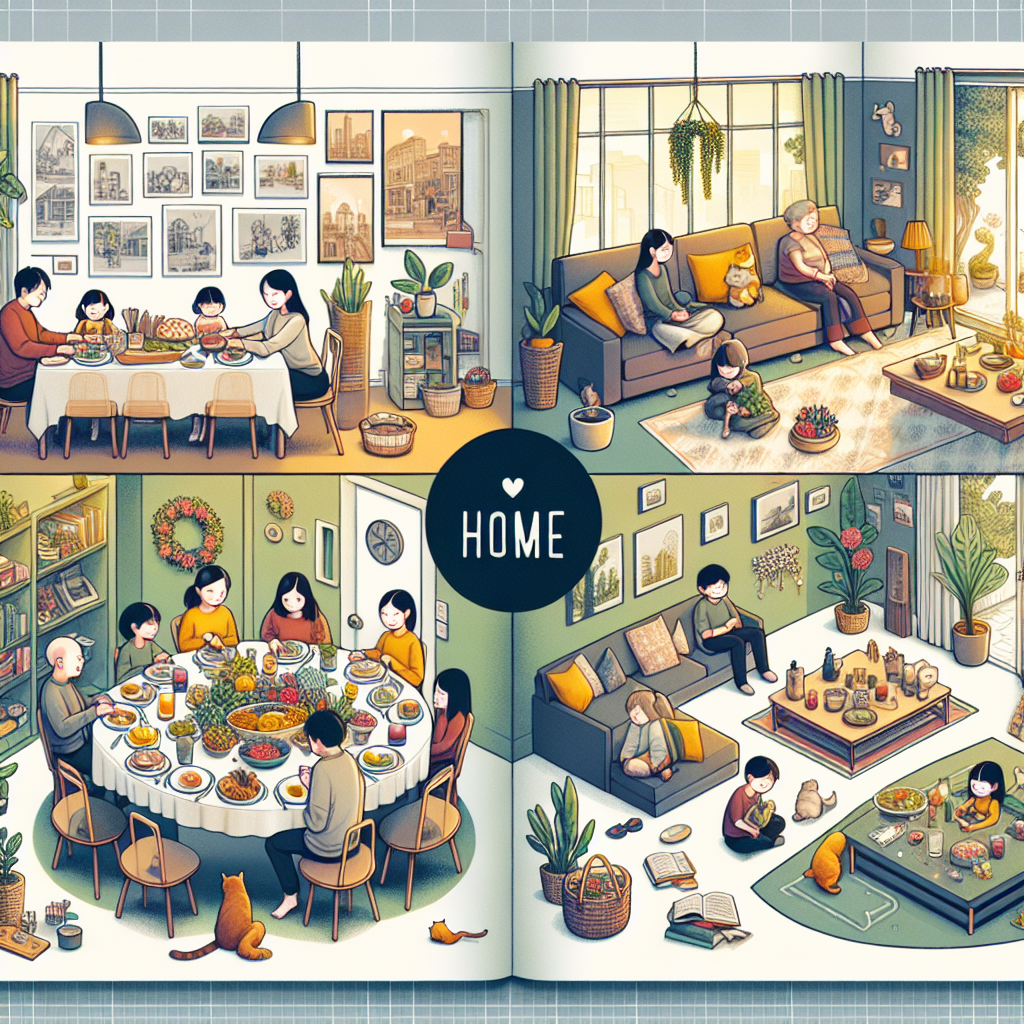
Home is often described as an address, a building, or the place where you keep your belongings. Yet most people know it as something broader: a feeling of safety, familiarity, and permission to be fully yourself. A home can be a studio apartment, a childhood house, a shared flat, a dorm room, or a temporary stay in someone else’s space. It can even be split across multiple places when family, work, or circumstance pulls you between cities and countries.
At its best, home is where the world becomes manageable. It’s the place where you rest without performing, where daily life can be simple, and where your senses recognize “this is mine” through light, scent, texture, and sound. When it’s missing—because of instability, conflict, or displacement—people often notice how deeply home supports both mental and physical well-being.
The Building Blocks of a Home
While every household is different, certain elements tend to define a home-like environment. These aren’t luxuries; they’re foundations that make life easier to navigate.
- Safety: Physical security (locks, stable shelter) and emotional security (freedom from intimidation or constant stress).
- Belonging: The sense that you are welcome and included, whether you live alone or with others.
- Identity: Small signals—photos, colors, books, objects—reflecting who you are and what you value.
- Control: The ability to decide how your space functions, from cleanliness and noise to boundaries with guests.
- Continuity: Familiar routines that steady you through change: morning coffee, a favorite chair, a weekly meal.
When these pieces are present, home becomes more than shelter. It becomes a supportive system that reduces decision fatigue and helps you recover from the demands of work, caregiving, study, or social life.
Home as a Psychological Anchor
Home influences the mind in subtle but powerful ways. The brain constantly scans for cues of threat or comfort. A well-kept, predictable environment can lower background stress, while chaotic or hostile environments can keep the nervous system on alert. This is why returning home after a difficult day can feel like exhaling—or why an unsettled home can make even small tasks feel heavy.
A “home base” also supports identity over time. Familiar objects and spaces remind you of your history and progress: notes on a fridge, a worn cookbook, children’s height marks on a doorframe, a plant you’ve managed to keep alive through several seasons. These markers create continuity, which can be especially important during major transitions such as moving, starting a new job, ending a relationship, or navigating grief.
The Role of Memory and Sensory Detail
Much of what makes home comforting is sensory and memory-driven. The smell of a certain soap, the hum of a fan, the way sunlight hits a wall in late afternoon—these details become signals that you are in a safe zone. Over time, repeated experiences build an association between the space and relief.
That’s why creating a home isn’t only about decorating. It’s about shaping the conditions for good experiences—meals shared, quiet mornings, creative work, laughter, and rest.
Home as a Social Ecosystem
Home is also a network of relationships. For many, it’s the primary site of care: cooking, listening, celebrating, recovering from illness, and supporting one another through setbacks. The quality of these interactions often matters more than the size of the space.
In shared homes, the feeling of “home” is strengthened by clear expectations. Unspoken assumptions about chores, guests, noise, and privacy can turn a living situation into a source of tension. Conversely, simple agreements—who takes out trash, when quiet hours start, how bills are handled—reduce friction and allow warmth to grow.
- Rituals build belonging: weekly dinners, game nights, shared check-ins.
- Boundaries protect harmony: respect for alone time, closed doors, and personal items.
- Repair sustains trust: apologies, follow-through, and addressing conflict early.
Designing a Home That Supports Daily Life
A functional home is not necessarily minimalist or lavish. It’s a space where the environment works with you instead of against you. The most effective changes are often small and practical—focused on reducing stress and making essential tasks smoother.
Practical upgrades that make a difference
- Entryway clarity: a place for keys, shoes, and bags prevents daily searching.
- Lighting layers: a mix of overhead, task, and soft lamps helps mood and focus.
- Sleep-first bedroom: comfortable bedding, cooler temperature, less clutter near the bed.
- Work zones: even a small desk corner can protect concentration and reduce spillover stress.
- Storage that matches habits: open bins for frequently used items, closed storage for visual calm.
Design is ultimately a form of self-knowledge. If you always drop mail on the counter, place a tray there. If you forget to drink water, keep a glass and bottle visible. A home that supports you is one that anticipates your real behavior, not your idealized routine.
When Home Is in Transition
Not everyone has stable housing, and many people live in states of transition: moving frequently, living with family while regrouping, navigating separation, or rebuilding after loss. In these times, “home” can feel fragile. But even temporary spaces can be made more grounding through intentional cues of familiarity.
Portable home-building can include a few consistent items: a favorite mug, a small blanket, a reliable playlist, a photo, a notebook, or a scent you associate with comfort. The goal is not to recreate a perfect environment, but to offer your nervous system a few dependable signals that say, “You are safe enough to rest.”
How to Strengthen the Feeling of Home
If home feels distant—too sterile, too stressful, or too transient—start with one small change that improves daily experience. Momentum matters. A single drawer organized for ease or a corner cleared for quiet can shift how the entire space feels.
- Create one sanctuary spot: a chair by a window, a tidy bedside table, a reading corner.
- Choose comfort on purpose: textures, colors, and sounds that help you unwind.
- Build a simple ritual: tea at night, a morning stretch, Sunday reset for laundry and dishes.
- Invite meaning: display something that reflects your values—art, family photos, travel mementos, or handmade items.
- Protect peace: address recurring conflicts, reduce clutter hotspots, and set gentle boundaries.
Ultimately, home is a relationship you develop with your surroundings and the people (and pets) who share them. It’s built through repeated acts of care—cleaning, repairing, listening, cooking, arranging, resting. Over time, those acts accumulate into a quiet assurance: whatever happens outside, there is a place where you can return to yourself.

